
Mon Oct 19
visibility
There are 4 people looking at this show
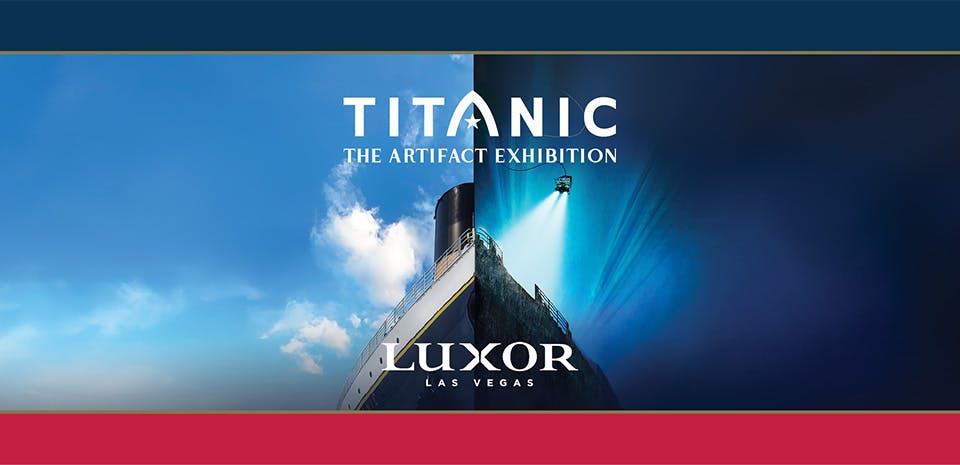
Titanic: The Artifact Exhibition
location_on
Titanic Exhibit Hall, Luxor
From
$44Incl. tax & fees
Exhibit, Kid-Friendly
2 hrs
Best Price Guarantee
238 Guests Had Great Experiences!
Booked 6 times todayPrices may go up soon!
Select Tickets
Tue Oct 20 • Tomorrow
20:53:02 left to book!
11:00am - 6:00pm
Wed Oct 21
11:00am - 6:00pm
Thu Oct 22
11:00am - 6:00pm
Fri Oct 23 • This Weekend
11:00am - 6:00pm
Sat Oct 24 • This Weekend
11:00am - 6:00pm
Sun Oct 25 • This Weekend
11:00am - 6:00pm
Mon Oct 26
11:00am - 6:00pm
Tue Oct 27 • Next Week
11:00am - 6:00pm
Wed Oct 28 • Next Week
11:00am - 6:00pm
Thu Oct 29 • Next Week
11:00am - 6:00pm
Fri Oct 30 • Next Week
11:00am - 6:00pm
Sat Oct 31 • Next Week
11:00am - 6:00pm
Sun Nov 1
11:00am - 6:00pm
Best Price Guarantee
Instant Confirmation
Mobile Tickets
No Hidden Fees
Description
Feature
Titanic Exhibit Hall, Luxor
Exhibit, Kid-Friendly
Mon, Tue, Wed, Thu, Fri, Sat, Sun
11:00am - 6:00pm
2 hrs
Best Price Guarantee
Overall Rating
Frequently Asked Questions for Titanic: The Artifact Exhibition
Titanic: The Artifact Exhibition is an immersive attraction at the Luxor Hotel & Casino on the Las Vegas Strip. It features more than 250 authentic artifacts recovered from the wreck of the Titanic.
Visitors can expect to spend between 1 and 2 hours exploring the Titanic Exhibition, though some choose to stay longer to fully take in the personal stories and detailed artifacts. This is a self-guided tour, so feel free to explore at your own pace.
The “Big Piece” Hull Section: 15-ton recovered section of Titanic’s starboard hull.
Authentic Artifacts: Luggage, floor tiles, and even a vintage champagne bottle.
Full-Scale Reconstructions: Grand Staircase, cabins, and Promenade Deck.
Personal Passenger Stories: Connecting guests with real Titanic travelers and their fates.
Yes. The Titanic Exhibit is family-friendly and designed for guests of all ages.
Incl. tax & fees